

A new life cycle analysis report has claimed that the environmental impact of cartonboard compares favourably against alternative packaging materials.
`Cartonboard Life Cycle; Comparing the carbon footprint of carton packaging against alternative solutions`, goes into the granular detail of the cradle-to-grave environmental performance of cartonboard in frozen food, ready meal, fast food and small electricals packaging, compared to other commonly-used packaging materials, such as multilaminate film bags, PP trays, PET trays and PVC blister packs.
The study, carried out by RISE (Research Institutes of Sweden) Bioeconomy unit for Pro Carton is cradle-to-grave comparison taking the entire lifecycle of packaging into account – from how it is produced (or grown in the case of the wood used in cartonboard manufacture) to processing and disposal. The study reports both fossil green-house-gas (GHG) emissions and biogenic GHG emissions and removals.
A key finding was the comparisons for the total carbon footprint (kgCO2e per tonne of material ready for conversion).
Cartonboard scored 262, while other materials produced around 10 times the carbon footprint; Amorphous PET granulate (3,093), PP (2,110), PVC (2,122), LDPE granulate (2,305), HDPE granulate (2,110)
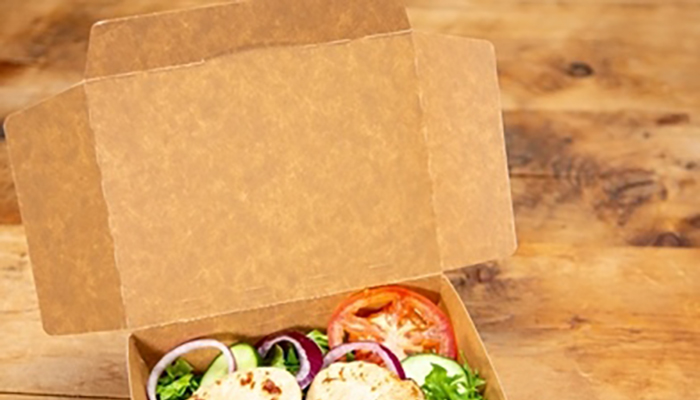
Other findings include fast food packaging (takeout salad) which recorded Fossil GHG emissions of 20.3 with cardoard and 62.4 with an alternative material.
Similarly, frozen battered fish packaging scored 18.1 on Fossil GHG emissions, compared to 30.6 with an alternative solution.
Tony Hitchin, Pro Carton general manager, said the results `clearly show` that the predominantly cartonboard packaging consistently scores better than the alternatives when considering the impact per 1,000 units.
He said the carbon impact per tonne of material is much lower for cartonboard than polymers regardless of whether looking just at fossil emissions or also taking the biogenic emissions and removals into consideration.
[We know from other research that consumers have an overwhelming preference for cartonboard packaging over plastic, 8 to 1 preferred cartonboard/cardboard in our recent study amongst 7,000 consumers, and this report further supports the merits of changing to cartonboard packaging."